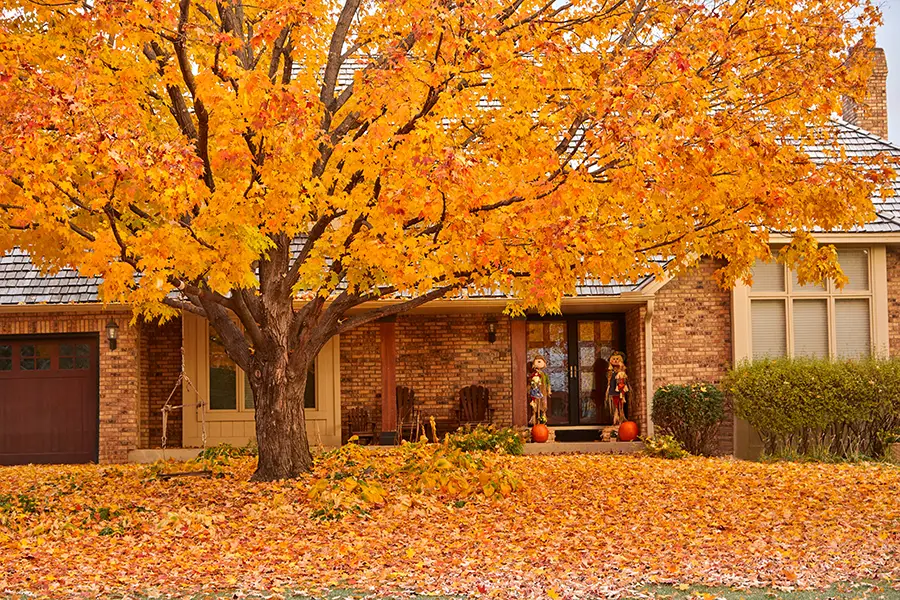
Falling leaves are a familiar part of autumn in Collinsville, IL, but not every leaf that drops from a tree is simply following the seasonal cycle. When leaves fall too early, develop unusual colors, show spots, curl, wilt, or disappear from certain branches, your tree may be signaling an underlying health problem. Recognizing these warning signs can help property owners address concerns before they develop into larger problems.
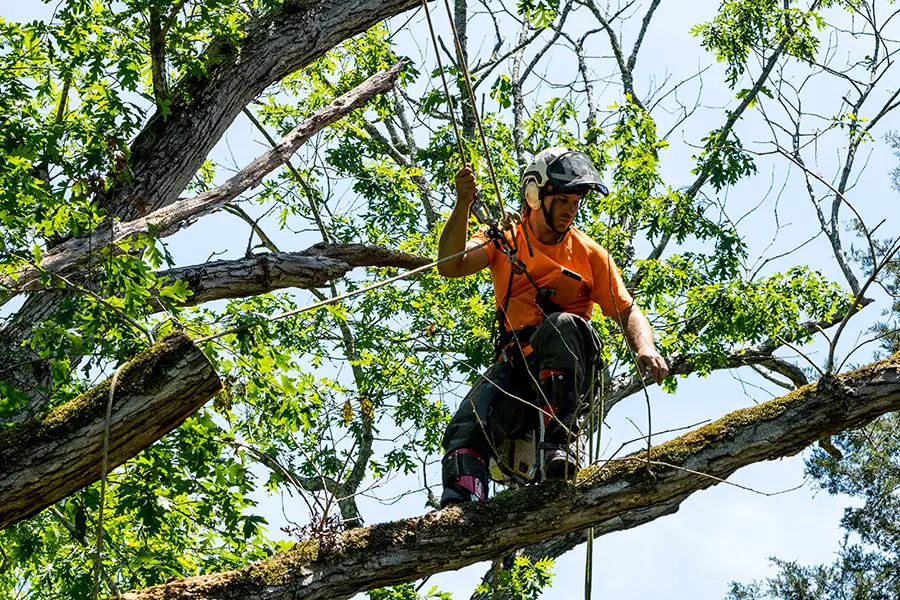
Professional tree care provides an opportunity to evaluate the entire tree—not just its leaves. A-Unlimited Tree Service serves Collinsville and communities throughout the Metro East with tree trimming and pruning, hazardous tree assessment and removal, dead wood removal, crown reduction, tree removal, storm cleanup, and other tree care services.
Learning to pay attention to falling leaves can give you valuable clues about the condition of the trees surrounding your home or business.
If unusual leaf loss has you questioning the health of a tree, call A-Unlimited Tree Service at 618.667.9885 to request a free estimate.
Normal Seasonal Leaf Drop vs. Premature Leaf Loss
Deciduous trees naturally shed their leaves as temperatures cool and daylight decreases. Before dropping, healthy leaves often change from green to familiar shades of yellow, orange, red, or brown. This seasonal process is generally not a cause for concern. The timing varies by tree species and environmental conditions, so not every tree on your property will lose its leaves simultaneously.
Premature leaf loss is different. If a tree begins shedding a significant number of leaves during spring or summer, or considerably earlier than comparable trees nearby, it deserves closer attention. The tree may be reacting to environmental stress, disease, pests, root problems, or another issue.
Look at the entire canopy as well. A few falling leaves may be insignificant, while widespread thinning or bare sections can provide more useful information about tree health. The pattern, timing, and condition of fallen leaves can all offer important clues.
Not sure whether your tree’s leaf loss is seasonal or a sign of trouble? Contact A-Unlimited Tree Service for experienced tree care in Collinsville.
Drought and Water Stress Can Trigger Early Leaf Drop
Trees depend on adequate moisture to support leaves and other living tissues. During periods of drought, extreme heat, or inconsistent rainfall, a tree may respond to water stress by dropping some leaves. Reducing the number of leaves can lower the amount of moisture lost through the canopy, but noticeable premature leaf loss may indicate that the tree is under significant stress.
Too much water can create problems as well. Saturated or poorly drained soil may limit oxygen available to roots and negatively affect root health. Depending on the species and conditions, stressed trees may show wilting, browning edges, yellowing foliage, thinning canopies, or premature leaf drop.
Water-related stress can also leave a tree less resilient when other problems occur. Because symptoms above ground do not always reveal exactly what is happening below ground, professional evaluation can be helpful when leaf loss becomes extensive or returns year after year.
If your trees appear stressed, thinning, or unhealthy, call A-Unlimited Tree Service at 618.667.9885 and let our professionals evaluate your tree care needs.
Leaf Spots and Discoloration May Point to Tree Disease
Leaves provide homeowners with a convenient place to look for early signs of disease. Depending on the tree species and particular condition, foliage affected by fungal or other diseases may develop brown or black spots, blotches, discoloration, curling, or dead areas. Heavily affected foliage may eventually fall from the tree earlier than expected.
One unusual leaf does not necessarily indicate a serious problem. Instead, look for patterns. Are symptoms appearing throughout the canopy? Are numerous leaves developing similar spots? Are leaves repeatedly falling early? Is the tree also showing dead branches, bark changes, or declining growth?
Tree health problems should be evaluated in context because different diseases and environmental stresses can produce similar-looking symptoms. A-Unlimited Tree Service emphasizes regular tree inspections and maintenance as ways to identify disease, pest problems, and structural weaknesses before they become more severe.
When spotted, discolored, or prematurely falling leaves become a recurring concern, reach out to A-Unlimited Tree Service for professional assistance.
Insect Activity Can Leave Clues in the Leaves
Some insects feed directly on foliage, while others affect stems, branches, bark, or other parts of the tree. Depending on the pest, property owners may notice holes, chewed leaf edges, skeletonized foliage, curling, discoloration, sticky residue, abnormal growths, or leaves dropping before fall arrives.
It is important not to assume that every insect you see is harmful. Trees naturally support diverse insect populations, and many insects cause little or no meaningful damage. The concern increases when feeding becomes extensive, the canopy begins thinning, branches decline, or the tree is already under stress from drought, disease, construction, or other factors.
Collecting a few affected leaves or taking photographs can help document how symptoms change. More importantly, avoid removing large branches or making drastic changes solely because of damaged foliage. Proper tree care depends on understanding the tree’s overall condition before deciding what work is necessary.
For help maintaining trees showing signs of decline or damage, call A-Unlimited Tree Service at 618.667.9885 to discuss professional tree service options.
Uneven Leaf Loss Can Reveal Dead or Declining Branches
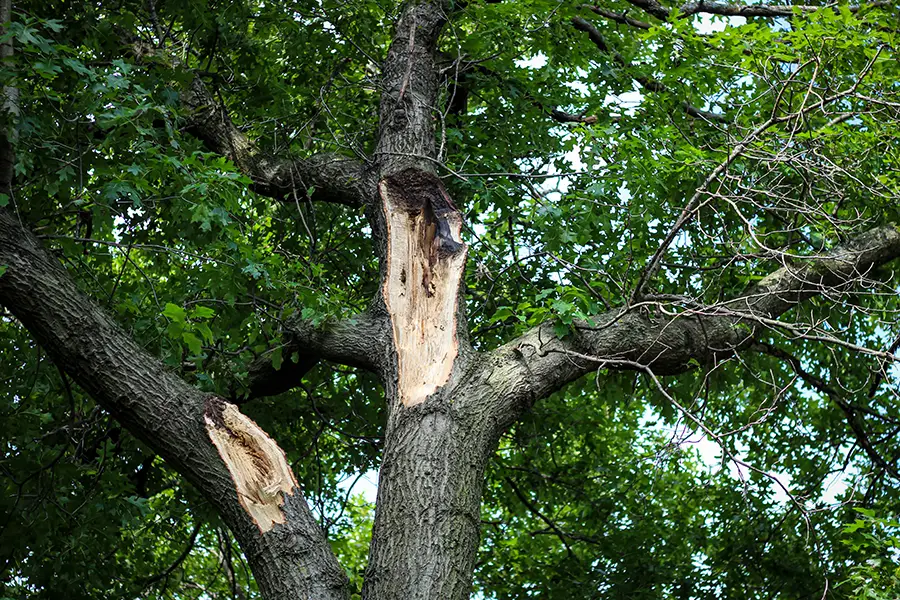
Sometimes the location of leaf loss tells you as much as the leaves themselves. If most of a tree has a full canopy but one major branch has sparse foliage—or no leaves at all—that section may be dead, damaged, or declining. Broken twigs, peeling bark, visible cavities, cracks, and dead wood can provide additional warning signs.
Dead branches are more than an appearance problem. As wood deteriorates, limbs may become more likely to break, especially during high winds, storms, snow, or ice. Branches positioned over a roof, driveway, sidewalk, parking area, or other frequently used space can create significant property and safety concerns.
A-Unlimited Tree Service offers dead wood removal, crown reduction, hazardous tree assessment, tree trimming and pruning, and tree and limb removal. Its professional trimming services are intended to remove weakened growth, support healthier tree structure, and reduce the risk associated with falling limbs.
If bare or declining branches are appearing in your trees, schedule an evaluation with A-Unlimited Tree Service before weakened limbs create a larger concern.
Root Problems Can Show Up in the Tree Canopy
Roots are underground, but signs of root trouble often become visible overhead. Healthy roots provide water and nutrients while helping stabilize the tree. When roots are damaged by construction, soil compaction, excessive moisture, drought, grade changes, or other disturbances, the canopy may eventually begin showing symptoms.
Warning signs can include:
- Premature or unusually heavy leaf drop
- Smaller or discolored leaves
- Thinning foliage across part or all of the canopy
- Dead twigs and branches
- Reduced new growth
- General decline from year to year
These symptoms do not automatically prove that root damage is the cause, but they demonstrate why a tree should be considered as a complete living system. A canopy problem can originate far below the leaves themselves.
Root concerns can also affect structural stability in severe cases. Trees with substantial root problems, extensive decay, dangerous leaning, or other hazards may require removal; A-Unlimited Tree Service provides hazardous tree assessment and removal throughout the Metro East.
If your tree’s canopy is thinning without an obvious explanation, call A-Unlimited Tree Service at 618.667.9885 for dependable professional help.
Storm Damage May Cause Delayed Changes in Foliage
Not every effect of a severe storm is immediately obvious. Broken limbs and fallen trees are easy to identify, but strong winds can also crack branches, damage the canopy, or stress a tree in ways that become more noticeable later. Leaves on damaged branches may wilt, turn brown, or drop prematurely because their connection to water and nutrients has been compromised.
After severe weather, inspect your property from a safe distance. Look for hanging limbs, newly bare branches, splits, cracks, leaning trees, or changes in canopy density. Avoid standing beneath visibly damaged branches or attempting to remove large hanging limbs yourself.
A-Unlimited Tree Service provides 24-hour emergency tree service and storm cleanup throughout the Metro East, including Collinsville. Its crews handle fallen trees, broken limbs, hazardous situations, and debris removal using professional equipment.
When storms leave your trees looking damaged, sparse, or unstable, contact A-Unlimited Tree Service for prompt professional tree care and cleanup.
Professional Trimming Can Support Healthier Tree Growth
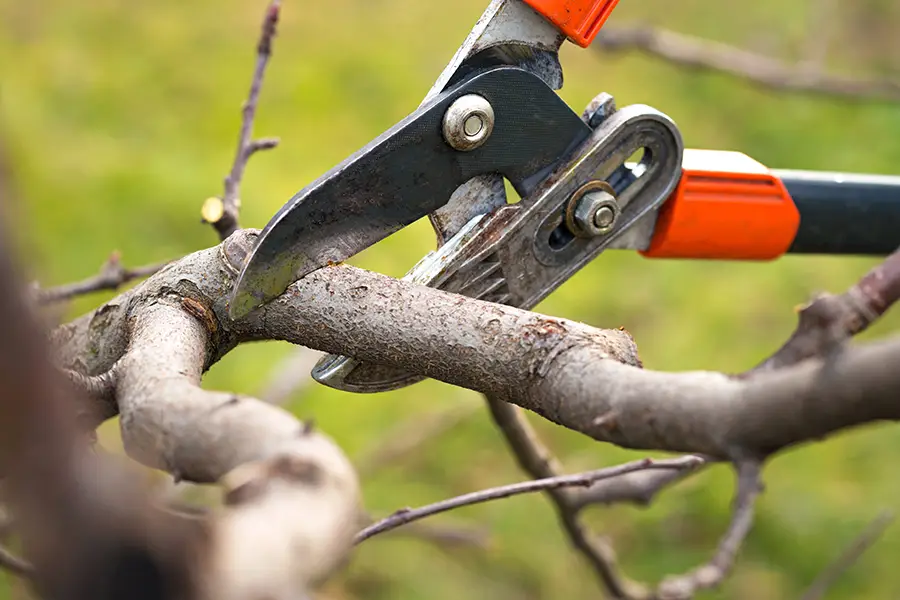
When leaf loss reveals dead, diseased, weakened, or damaged branches, professional trimming may be part of the solution. Proper pruning can remove problematic growth, improve tree structure, and reduce hazards while maintaining the natural form of the tree. However, pruning should be performed thoughtfully because unnecessary or excessive cutting can place additional stress on an already struggling tree.
Routine tree maintenance also creates an opportunity to identify developing concerns before they require more extensive work. A-Unlimited Tree Service states that mature trees commonly benefit from professional trimming and pruning every three to five years, although younger, fast-growing, storm-damaged, or strategically located trees may require more frequent attention.
The appropriate service depends on the tree’s species, age, condition, location, and structural needs. Experienced professionals can determine whether trimming, dead wood removal, crown reduction, monitoring, or another service is appropriate.
Give your trees the professional maintenance they need by calling A-Unlimited Tree Service at 618.667.9885 to request a free tree service estimate.
When Leaf Loss Could Signal the Need for Tree Removal
Not every unhealthy tree needs to come down. Many trees can continue providing shade and beauty with appropriate maintenance. However, severe decline combined with structural problems may indicate that removal is the safest option. This is particularly important when a compromised tree is close to a home, garage, vehicle, road, fence, or other valuable property.
Signs that deserve professional attention include extensive dead wood, severe storm damage, significant decay, dangerous leaning, substantial root problems, and large sections of canopy decline. A-Unlimited Tree Service notes that dead, dying, diseased, severely damaged, or hazardous trees may require professional removal. The company uses specialized equipment to remove trees while protecting surrounding homes, landscaping, and property.
Rather than deciding based on leaf loss alone, have the entire tree evaluated. The safest recommendation depends on its overall health, structure, surroundings, and extent of damage.
If a declining tree is making you concerned about your property’s safety, contact A-Unlimited Tree Service to discuss whether trimming or professional tree removal is appropriate.
Schedule Professional Tree Service in Collinsville, IL
Falling leaves can tell a much bigger story than the arrival of autumn. Premature leaf drop, unusual discoloration, bare branches, thinning canopies, and damaged foliage may provide early clues of water stress, disease, pests, root problems, storm damage, or structural decline. Paying attention to those changes gives you an opportunity to address tree concerns before they become more serious.
For more than 25 years, A-Unlimited Tree Service has provided professional tree care throughout the Metro East. Collinsville is specifically included in the company’s service area, and services include tree removal, tree trimming and pruning, stump grinding, storm cleanup, dead wood removal, crown reduction, hazardous tree assessment, and emergency tree service. The company is fully insured, offers free estimates, and uses professional-grade trucks, lifts, and specialized equipment.
If something about your trees looks different this season, professional attention can help you determine the right next step while protecting your landscape and surrounding property.
Contact A-Unlimited Tree Service at 618.667.9885 today to schedule your free estimate and get professional tree service for your Collinsville, IL property.