A tree that grows at an angle is not automatically unhealthy or dangerous. Some trees develop a natural lean while adapting to sunlight, surrounding vegetation, slopes, or other growing conditions. A tree that gradually begins leaning after years of relatively upright growth, however, deserves closer attention. Changes involving roots, saturated soil, erosion, severe weather, structural weakness, or declining tree health can affect stability and potentially create hazards around a property. For homeowners in Collinsville, IL, recognizing these changes early is especially important because local trees regularly experience thunderstorms, high winds, heavy rain, ice, and other challenging weather. At A-Unlimited Tree Service, we provide professional tree trimming, pruning, removal, stump grinding, emergency storm service, land clearing, and complete tree care throughout Collinsville and the Metro East.
If you notice a tree beginning to lean, call 217.306.2616 and let A-Unlimited Tree Service evaluate the situation before the problem becomes more serious.
Some Trees Naturally Grow With a Lean
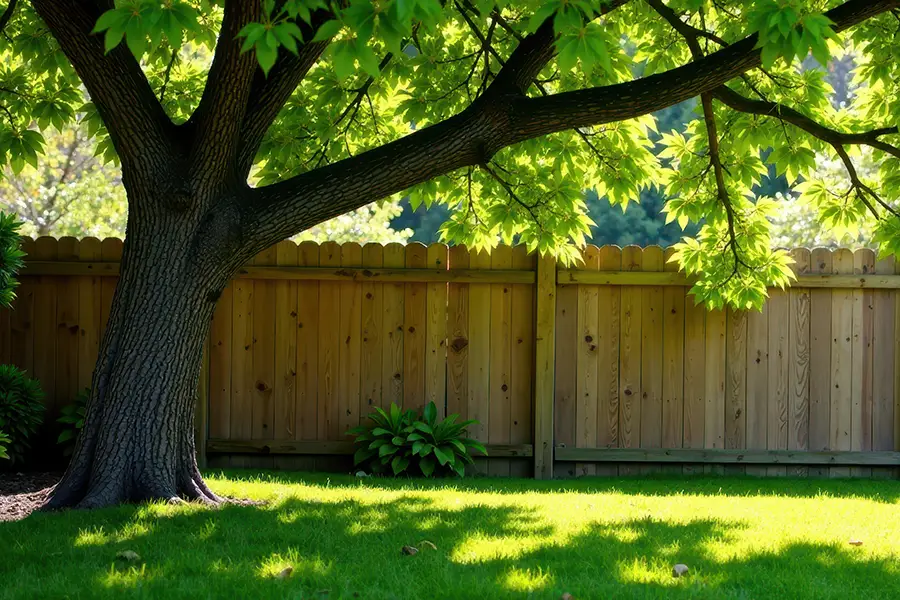
Not every leaning tree needs to be straightened, trimmed, or removed. Young trees sometimes develop at an angle as they grow toward available sunlight, particularly when nearby buildings or larger trees create shade. Trees growing along hillsides and slopes may also develop trunks that are not perfectly vertical. When the tree has grown this way for many years, developed a strong root system, and shows no signs of recent movement, the lean may simply be part of its natural structure.
The key is determining whether the angle is established or changing. Homeowners should become familiar with mature trees around their property and pay attention to noticeable changes over time. Old photographs can sometimes help determine whether a tree has always leaned in the same direction. Our professionals at A-Unlimited Tree Service can inspect tree structure and identify other warning signs that may indicate the lean is more than a normal growth characteristic.
When you are uncertain whether a leaning tree is stable, contact our A-Unlimited Tree Service team for professional guidance.
Root Problems Can Cause a Tree to Lose Stability
A healthy root system anchors a tree and helps it withstand the forces placed on the trunk and canopy. When roots become damaged, restricted, decayed, or otherwise compromised, the tree may gradually become less stable. Construction, excavation, trenching, soil compaction, and significant changes around the root zone can potentially affect root health. Disease, decay, or physical damage may also reduce the structural support provided by important roots.
Homeowners should pay particular attention to changes around the base of a leaning tree. Soil that appears lifted on one side, exposed roots, visible root damage, or unusual movement around the root plate may indicate a stability concern. A sudden change following a storm deserves prompt professional attention. A-Unlimited Tree Service provides experienced tree care and removal services for hazardous trees throughout the Metro East, and our team evaluates each tree and its surrounding environment before recommending an appropriate solution.
Call 618.667.9885 if you suspect root damage is affecting a tree’s stability and let our experienced professionals inspect the problem.
Saturated Soil, Erosion, and Drainage Can Contribute to Leaning
The soil surrounding a tree is an important part of its support system. Heavy or prolonged rainfall can saturate the ground, reducing the resistance the soil provides around roots. When saturated soil is combined with strong winds and a large tree canopy, a tree may shift or begin leaning. This can be particularly concerning when the root system was already weakened before the storm.
Erosion can create additional problems by removing soil around roots and reducing support. Changes in grading or drainage may also alter the conditions in which an established tree has grown for years. After periods of heavy rain, homeowners should inspect large trees for new leaning, exposed roots, lifted soil, or other visible changes. A-Unlimited Tree Service recognizes heavy rain and severe storms as conditions capable of damaging trees throughout our service area, and we provide professional storm-related tree care when harsh weather affects local properties.
If heavy rain or changing soil conditions have affected trees on your Collinsville property, have A-Unlimited Tree Service evaluate them before another storm arrives.
Wind, Ice, and Severe Storms Can Shift Trees
Illinois weather can place tremendous forces on mature trees. High winds push against branches and foliage, while ice and snow can add considerable weight to the canopy. When these forces affect a tree with weak roots, structural defects, or previous damage, the entire tree may shift. A storm may create an obvious lean immediately, or the change may become noticeable as damage progresses afterward.
Warning signs following severe weather can include:
- A newly developed or noticeably increased lean
- Lifted or cracked soil around the base
- Exposed or damaged roots
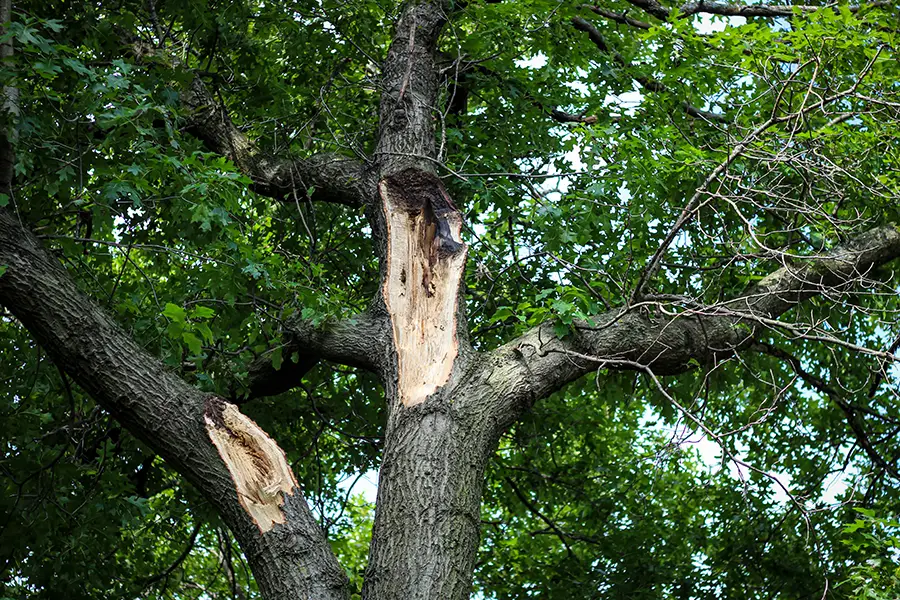
- Cracks or splits in the trunk
- Large broken or hanging branches
- Changes in the position of the root plate
- A tree leaning toward a home, driveway, or utility area
Our A-Unlimited Tree Service team recommends inspecting trees after harsh weather for problems such as broken branches, trunk cracks, torn bark, and leaning. Some storm-damaged trees can recover with appropriate care, while severely compromised trees may require removal.
After severe weather, call 618.667.9885 for professional tree care if you discover a newly leaning or storm-damaged tree.
Tree Health and Structural Problems May Contribute to a Lean
A tree can look substantial from a distance while still having underlying structural problems. Trunk decay, cracks, weak branch attachments, disease, previous injuries, and damaged roots can compromise the tree over time. If deterioration affects one side of the root system or trunk more significantly than another, the tree may gradually lose structural stability.
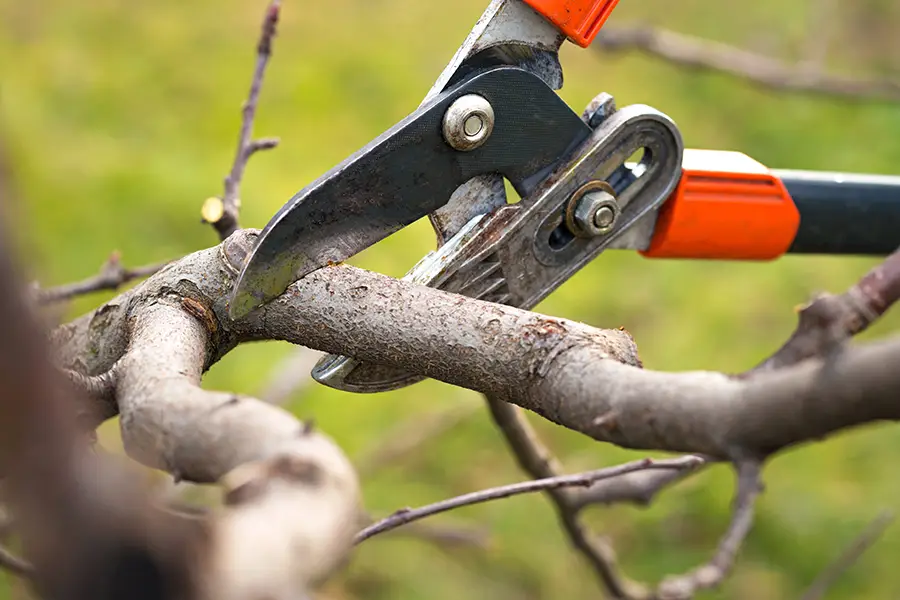
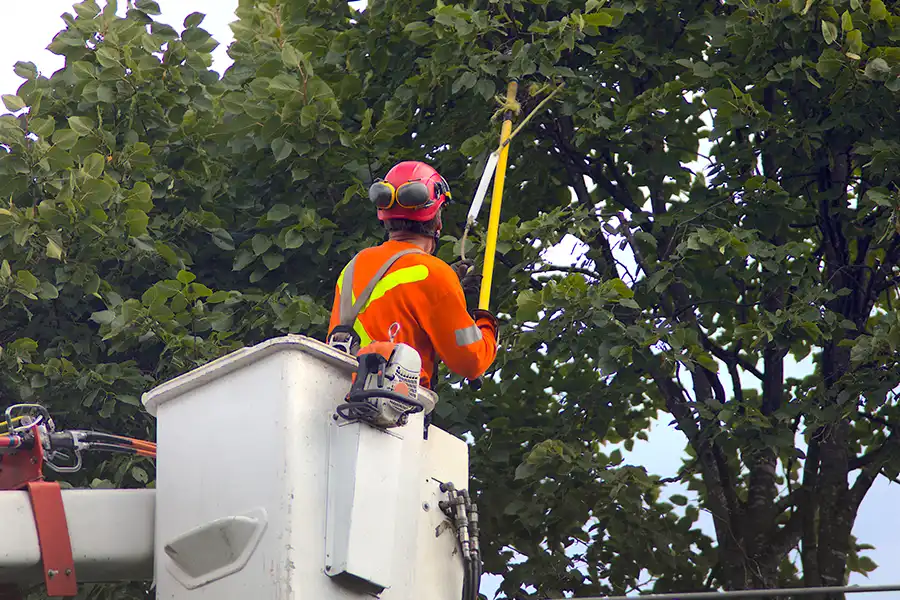
The canopy can also influence how forces are distributed through a tree. Heavy or poorly balanced growth can place additional stress on trunks and major limbs, especially during windy conditions. Professional pruning may help address certain branch and canopy concerns, but trimming cannot correct every structural problem. A-Unlimited Tree Service provides professional trimming and pruning intended to support tree health and property safety. Our experienced arborists also assess damaged trees to determine whether pruning, continued monitoring, or removal is appropriate based on the individual situation.
Schedule an evaluation with our tree care professionals when a leaning tree also shows cracks, decay, dead branches, or other signs of declining health.
Can a Leaning Tree Be Saved?
A leaning tree does not always need to be removed. The appropriate response depends on why the tree is leaning, how severe the angle is, whether the lean is changing, and whether the roots and trunk remain structurally sound. A mature tree that has grown naturally at an angle for decades may need nothing more than routine monitoring and maintenance. A tree that shifted suddenly during a storm is a very different situation.
When damage is limited, professional pruning may help address broken or compromised branches while preserving healthy portions of the tree. A-Unlimited Tree Service notes that some storm-damaged trees, including mature specimens, can recover when their structural integrity remains intact. Other trees may need time and careful monitoring rather than excessive trimming. However, trees with severe structural damage may not be reasonable candidates for preservation.
Call 618.667.9885 and let A-Unlimited Tree Service determine whether your leaning tree may benefit from professional care or requires a different solution.
When Tree Removal Becomes the Safer Solution
Tree preservation is valuable when a tree remains healthy and structurally sound, but safety should be a priority when stability is seriously compromised. A tree that has developed a significant new lean, major root failure, severe trunk damage, extensive decay, or other structural problems may eventually require removal. Location also matters. A questionable tree leaning toward a house, garage, driveway, neighboring property, or utility area can present greater consequences if it fails.
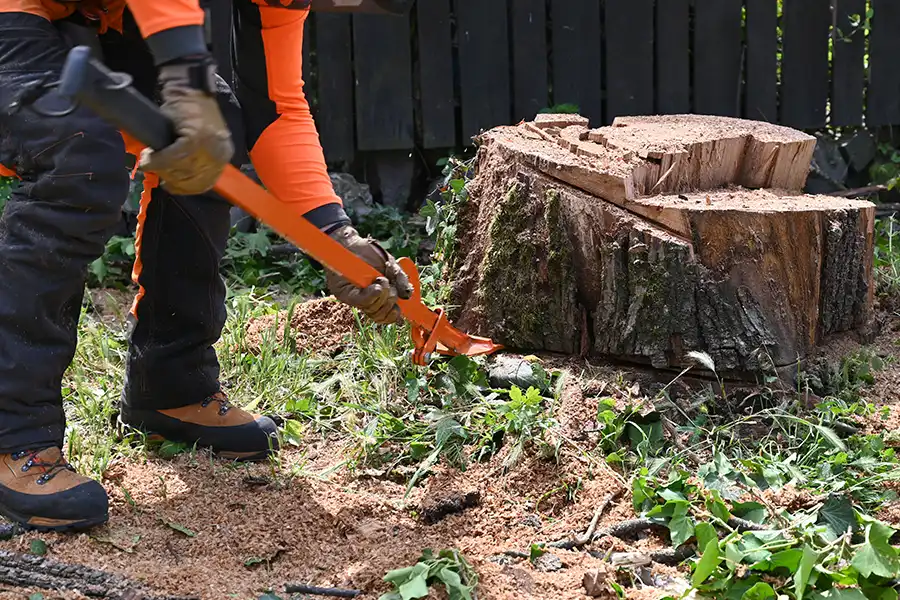
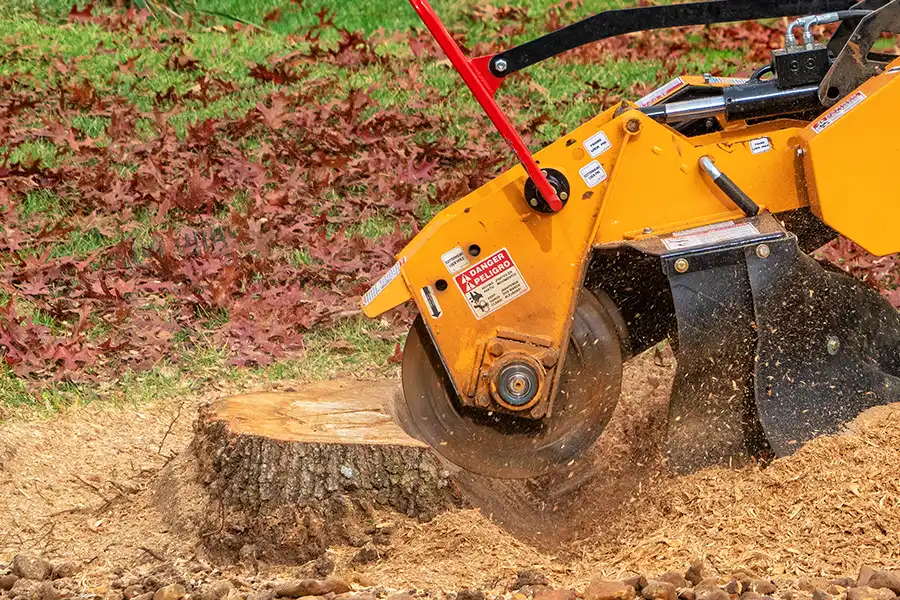
Tree removal should not be attempted without the appropriate equipment and experience, particularly when a large or unstable tree is involved. A-Unlimited Tree Service provides professional removal for overgrown, dead, damaged, and hazardous trees. Our team evaluates the tree, surrounding structures, accessibility, and other conditions before determining how to complete the work safely. Our standard removal process includes taking down the tree, chipping brush, cutting the stump down, and cleaning the property, with complete stump removal also available.
When a leaning tree has become a potential hazard, contact our A-Unlimited Tree Service professionals rather than attempting dangerous removal work yourself.
Why Professional Tree Care Is Important for Leaning Trees
Determining why a tree is leaning requires more than looking at the angle of its trunk. Our professionals consider the root zone, soil conditions, trunk structure, canopy, previous damage, surrounding property, and whether the tree appears to have moved recently. This complete assessment helps distinguish a naturally leaning tree from one that may be losing stability.
At A-Unlimited Tree Service, we provide residential and commercial tree care throughout Collinsville and surrounding Metro East communities. Our services include tree removal, tree trimming and pruning, stump grinding, emergency storm cleanup, land clearing, and complete tree care. We are equipped to handle routine maintenance as well as hazardous and storm-damaged trees. Our team also offers free estimates, giving property owners an opportunity to discuss their needs and receive recommendations based on the specific tree and location.
For experienced tree care in Collinsville, call 618.667.9885 and let A-Unlimited Tree Service professionally assess your leaning or damaged trees.
Schedule Professional Tree Service in Collinsville, IL
Trees can lean for many reasons, and understanding the cause is essential when deciding what to do next. Some develop a natural angle as they grow, while others begin leaning because of root damage, saturated soil, erosion, storms, structural weakness, or declining health. A sudden or worsening lean deserves particular attention, especially when the tree is close to a home, vehicle, walkway, utility line, or another frequently used area.
At A-Unlimited Tree Service, we help Collinsville homeowners care for trees before small concerns develop into larger hazards. Whether a leaning tree needs professional pruning, storm cleanup, monitoring, or complete removal depends on its individual condition. Our experienced team provides tree trimming, tree removal, stump grinding, emergency tree service, land clearing, and other professional tree care throughout Collinsville and surrounding communities.
Contact A-Unlimited Tree Service today at 618.667.9885 to schedule professional tree service and let our experienced team help keep the trees and property around your Collinsville, IL home safer and well maintained.