Summer is when trees grow quickly, and landscapes look their fullest, but excessive growth in one area can create serious problems. At A-Unlimited Tree Service, tree crowding is one of the most common issues homeowners face during the warmer months in Belleville, IL. Tree crowding happens when trees, shrubs, and branches compete for sunlight, water, airflow, and space. What may have looked fine during winter can become heavily overgrown by summer due to rapid growth and increased humidity.
Overcrowded trees often struggle to stay healthy because limited airflow and sunlight can lead to stress, disease, pests, and weakened branches. Crowding can also increase the risk of storm damage and create hazards near homes, roofs, and power lines. Understanding why tree crowding becomes a bigger concern during summer can help homeowners protect their property, improve tree health, and maintain a safer, cleaner-looking landscape all season long.
Summer Growth Happens Fast
Trees grow aggressively during the summer months. Longer daylight hours, warm temperatures, and increased moisture all encourage rapid growth. Branches spread outward, leaves become denser, and root systems work harder to absorb nutrients and water. When trees are planted too close together, this fast growth creates competition almost immediately.
Instead of having room to expand naturally, branches begin overlapping and pushing against one another. Trees may start growing unevenly as they fight for sunlight, often leaning or stretching in unhealthy directions. Crowded trees can also prevent younger or smaller trees from developing properly. Larger trees may block sunlight completely, leaving surrounding plants weak and struggling to survive. Over time, this imbalance affects the landscape’s overall health.
Poor Airflow Creates Moisture Problems
One of the main issues caused by crowded trees in the summer is limited airflow. When canopies become too dense, heat and moisture get trapped between branches, especially during humid conditions. Without steady circulation, trees stay wet longer after rain or morning dew. That extra moisture creates ideal conditions for fungal diseases, mildew, and rot. Leaves that don’t dry properly are more likely to develop spots, decay, and drop early.
Deep inside thick canopies, branches can slowly die off unnoticed until the problem has already spread. Restricted airflow can also affect the areas around your trees. Dense coverage reduces sunlight reaching the ground while holding in moisture below, which can lead to thin grass, mold growth, or consistently damp soil around your Belleville, IL property.
Trees Compete for Water and Nutrients
During summer heat, trees need significant amounts of water to stay healthy. When multiple trees are overcrowded in the same area, their root systems compete heavily for soil moisture and nutrients. This competition weakens trees over time. Some may begin showing signs of stress, including wilting leaves, browning edges, thinning canopies, or slowed growth.
Drought conditions can make the problem even worse because there isn’t enough moisture for every tree to thrive. Weakened trees are more vulnerable to disease and pest infestations. In many cases, homeowners assume a tree is sick when the real problem is overcrowding underground. Giving trees proper spacing allows roots to absorb what they need without excessive competition.
Crowded Trees Attract More Pests
Summer is peak season for insects and tree pests. Overcrowded trees create ideal conditions by offering shade, moisture, and protection. When trees grow too close together, pests spread more easily from one tree to another. Insects such as aphids, beetles, mites, and caterpillars can move quickly through connected branches, leading to widespread damage before it is noticed. Rodents and other wildlife may also nest more easily in dense, overgrown areas.
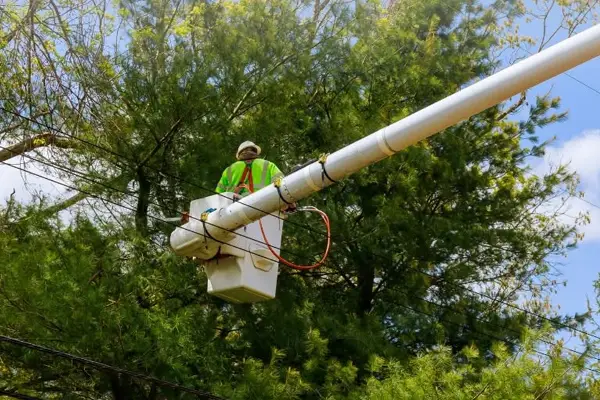
While some wildlife is harmless, trees near homes can increase the likelihood of animals settling near roofs, attics, or power lines. During mid-summer, many homeowners contact our team at A-Unlimited Tree Service LLC for tree trimming and a tree risk assessment after noticing dead limbs, insect activity, or rapid overgrowth. Regular trimming and proper spacing can help prevent these issues and reduce the risk of costly damage.
Storm Damage Risks Increase
Summer storms bring strong winds, heavy rain, and lightning, and crowded trees are far more likely to suffer damage in these conditions. When trees are already competing for space and growing in tight, awkward directions, their structure becomes weaker and less stable. Overlapping limbs often rub against each other during high winds, and that constant friction can wear away bark, create open wounds, and leave trees exposed to disease and decay.
In some cases, heavy or tangled branches become so stressed that they snap during a storm. Limbs that hang too close to homes, garages, fences, or power lines add even more risk, as falling debris can cause costly property damage and pose safety hazards. Thinning out crowded canopies helps reduce wind resistance, allows for more natural movement during storms, and lowers overall weight on the tree, improving stability and reducing the chance of breakage.
Sunlight Becomes Limited
Every tree needs sunlight to survive, but overcrowding often prevents even healthy trees from getting enough exposure. When canopies become too dense, sunlight is blocked from reaching lower branches and surrounding plants, which leads to uneven growth across the landscape. Trees that do not receive sufficient light may develop thin foliage, weak limbs, and a decline in overall health. Lower branches can slowly die off because they no longer have the energy needed to survive.
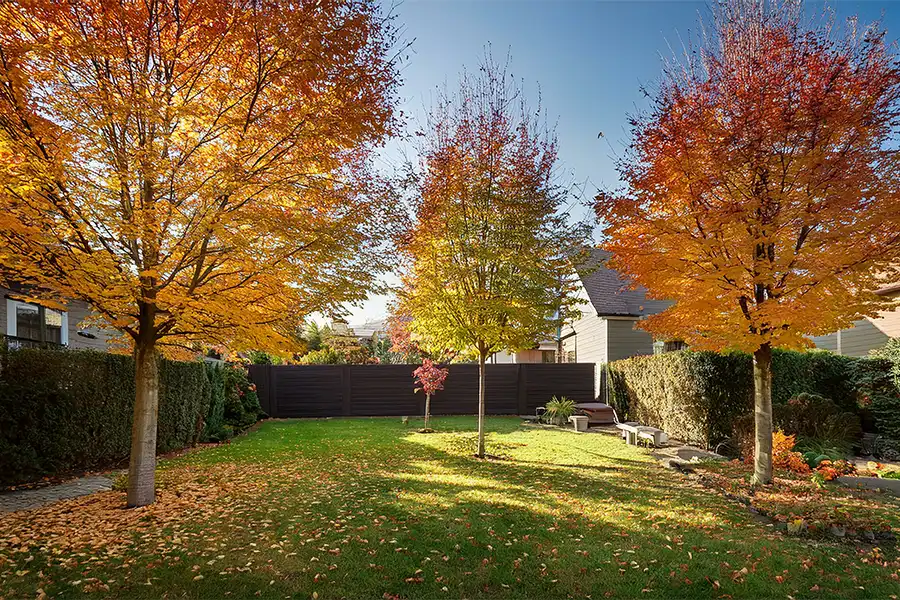
This lack of sunlight does not just affect the trees themselves. It can also impact outdoor living areas. Overcrowded trees may leave patios, decks, and yards feeling dark or damp for much of the day. While shade is helpful during hot summer months, too much of it can hurt both plant health and the overall look of the property. Careful trimming helps restore balance by letting sunlight filter through while still keeping the cooling benefits trees provide.
Preventing Tree Crowding Before It Gets Worse with A-Unlimited Tree Service LLC
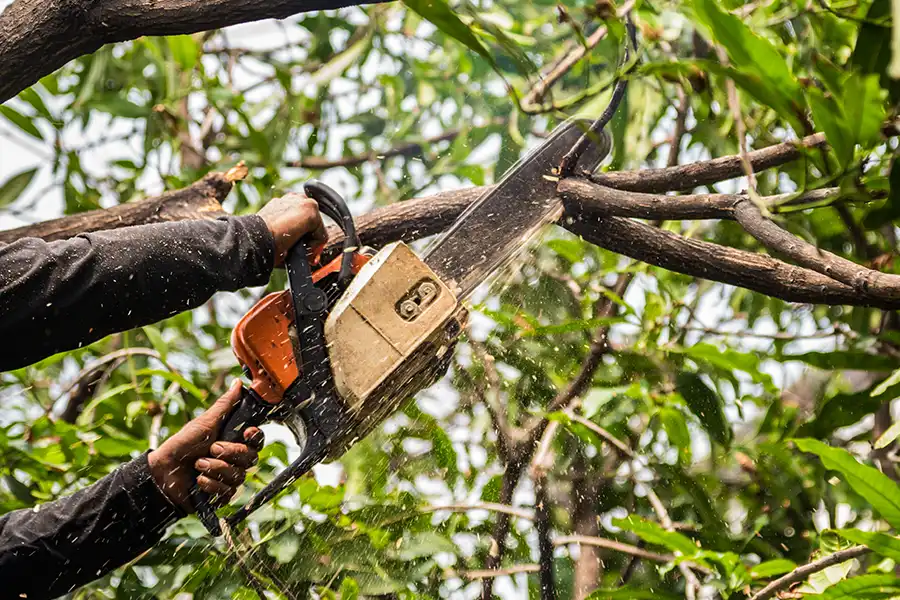
The best way to manage tree crowding is through regular inspections and maintenance. Professional trimming helps identify areas where trees are too close together and removes branches that may create future risks. In some cases, selective tree removal may be needed to improve the health of surrounding trees. While homeowners in Belleville, IL, may be hesitant to remove trees, strategically removing them can protect the rest of the landscape from stress and decline. Summer is an important time to monitor tree growth and interactions among trees. Waiting too long can turn small issues into larger, more expensive problems.
A healthy landscape depends on balance, with enough space, sunlight, airflow, and nutrients for trees to thrive. With proper care, overcrowding can be addressed before it leads to property damage, disease, or declining tree health. A-Unlimited Tree Service LLC helps homeowners keep trees safer and healthier throughout the summer season. For tree trimming, removal, or a risk assessment, contact 618.667.9885 to speak with a team member and schedule service.